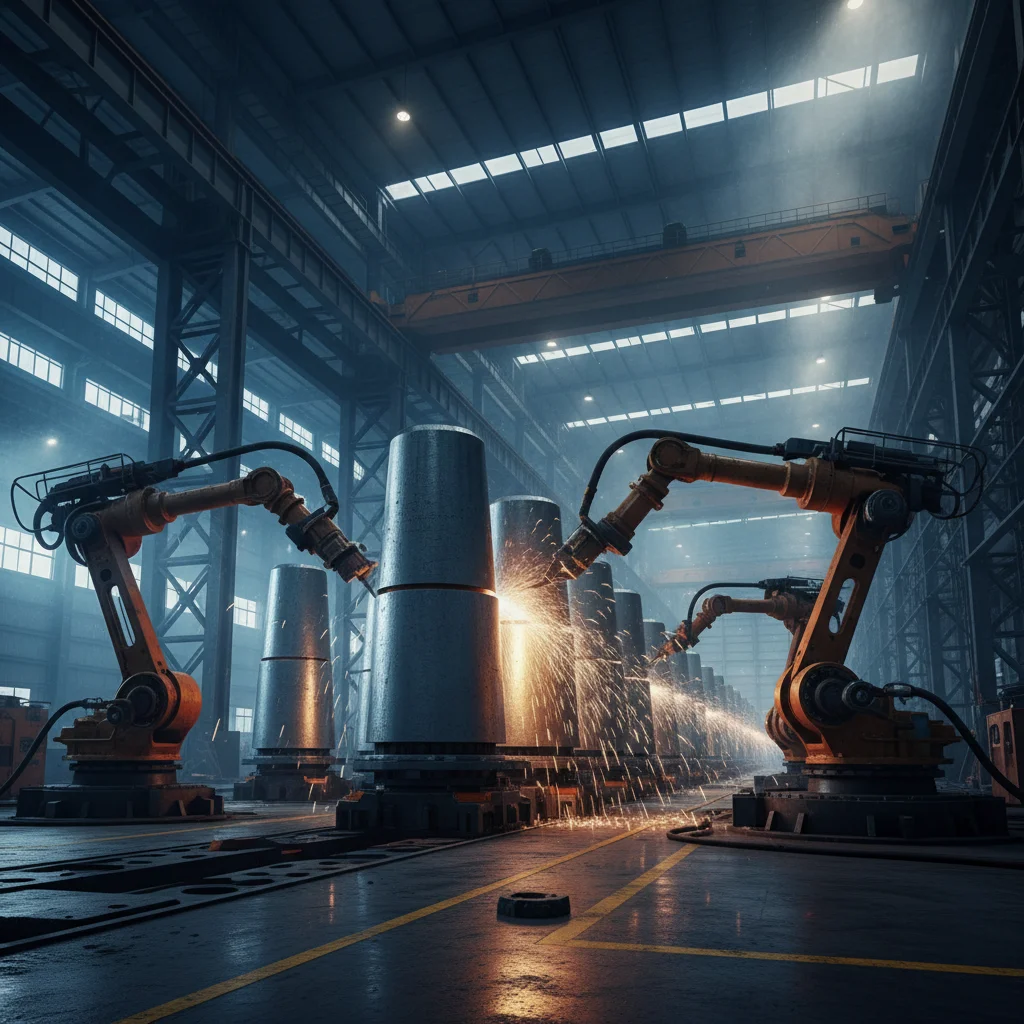
Artificial Graphite producer plays a critical role in modern industries, serving as a foundational material for applications ranging from electric vehicle batteries to advanced refractories. Understanding its production processes, material properties, and emerging applications is increasingly important given the global shift towards sustainable energy and technological innovation. The demand for high-quality artificial graphite is rapidly increasing, driven by the expansion of lithium-ion battery manufacturing and the need for materials that can withstand extreme conditions.
Global supply chains for Artificial Graphite producer are becoming more complex, requiring careful consideration of sourcing, processing, and environmental impact. Producers are continuously seeking ways to improve efficiency, reduce costs, and enhance the performance characteristics of their products. Investing in research and development is crucial for maintaining a competitive edge in this dynamic market.
This article delves into the intricacies of Artificial Graphite producer, exploring its definition, key factors, global applications, advantages, future trends, and challenges, providing a comprehensive overview for industry professionals, researchers, and anyone interested in this vital material.
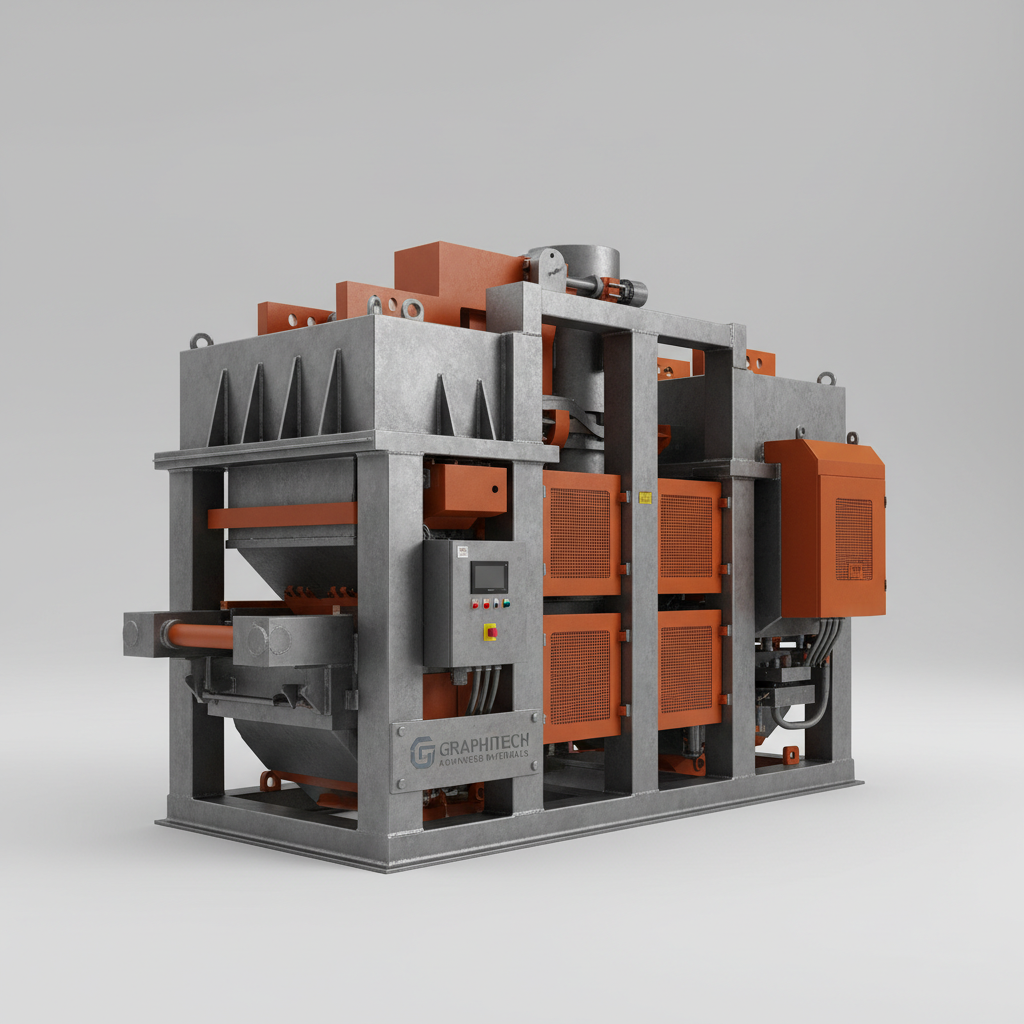
The Significance of Artificial Graphite producer
The importance of Artificial Graphite producer cannot be overstated in the context of modern industrial development. Its unique combination of properties, including high electrical conductivity, thermal stability, and chemical inertness, makes it an indispensable material in numerous high-tech applications. As demand for these applications continues to rise, the role of efficient and sustainable Artificial Graphite producer becomes increasingly critical.
The production of Artificial Graphite producer represents a significant economic opportunity, driving innovation and creating jobs in related industries. Companies that invest in advanced production technologies and sustainable practices are well-positioned to capitalize on this growing market and contribute to a more sustainable future.
Introduction to Artificial Graphite producer
Artificial Graphite producer, unlike its natural counterpart, is manufactured through the high-temperature treatment of carbonaceous materials, primarily petroleum coke or coal tar pitch. This process, known as graphitization, results in a material with a highly ordered crystalline structure, granting it exceptional properties. The growth in electric vehicle (EV) production has dramatically increased the need for high-purity artificial graphite for lithium-ion battery anodes, cementing its position as a cornerstone material for the future of energy.
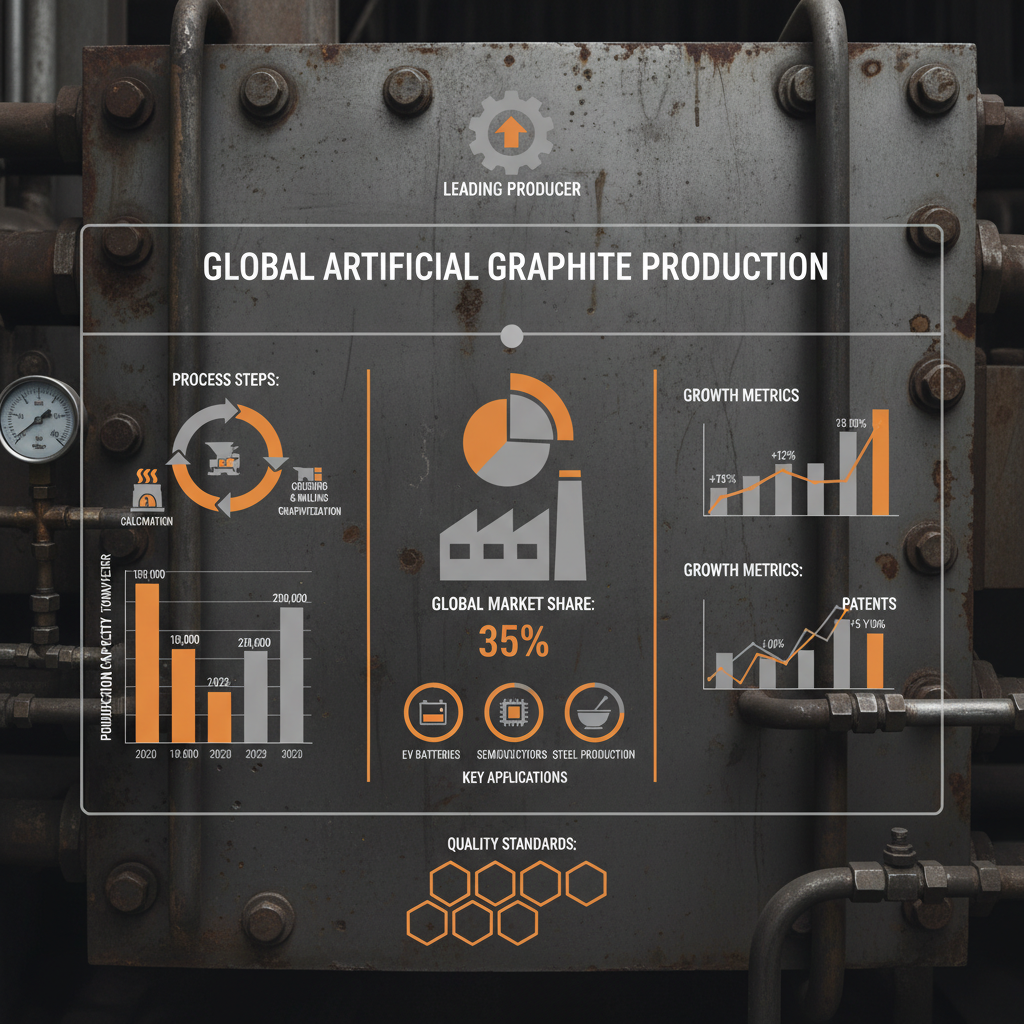
The global Artificial Graphite producer market is characterized by intense competition, with key players focusing on improving production efficiency, reducing environmental impact, and developing new grades of graphite tailored to specific applications. Geographically, Asia-Pacific dominates production, particularly China, which accounts for a substantial share of the world’s total output. However, increasing demand and supply chain vulnerabilities are prompting diversification efforts in other regions.
Understanding the nuances of Artificial Graphite producer – from raw material sourcing to final product applications – is essential for businesses navigating this rapidly evolving landscape. Successful Artificial Graphite producer prioritize consistent quality, competitive pricing, and a commitment to sustainability.
Defining Artificial Graphite producer
Artificial Graphite producer is essentially a carbon-based material created through the controlled thermal decomposition of organic precursors, followed by graphitization. This process transforms amorphous carbon into a crystalline form exhibiting the characteristic layered structure of graphite. While natural graphite is mined from the earth, artificial graphite is engineered and optimized for specific performance criteria.
The connection to modern industry is profound. It's a vital component in lithium-ion batteries powering electric vehicles and portable electronics. It's also crucial in producing refractories for high-temperature applications in steelmaking and other industrial processes. Furthermore, artificial graphite is utilized in lubricants, conductive brushes, and various other specialized applications where its unique properties are essential.
In essence, Artificial Graphite producer bridges the gap between readily available carbon sources and the demanding requirements of cutting-edge technologies. Its controllable properties and consistent quality make it a preferred choice over natural graphite in many advanced applications, ensuring reliability and performance.
Key Properties of Artificial Graphite producer
Artificial Graphite producer exhibits several key properties that make it highly valuable across diverse industries. One crucial aspect is its high electrical conductivity, allowing for efficient electron flow, making it ideal for battery anodes and conductive applications. Another vital attribute is its exceptional thermal stability, allowing it to withstand extreme temperatures without degradation.
Chemical inertness is another core characteristic, meaning it resists reaction with most substances, contributing to its longevity and reliability in harsh environments. Furthermore, its layered structure imparts excellent lubricity, making it a valuable component in dry lubricants and coatings.
Artificial Graphite producer Performance Metrics
Global Applications of Artificial Graphite producer
The applications of Artificial Graphite producer are incredibly diverse, spanning numerous industries worldwide. A primary use is in lithium-ion batteries, where it serves as the anode material, contributing to battery capacity, lifespan, and charging speed. This application is particularly crucial in the rapidly expanding electric vehicle market and energy storage systems.
Beyond batteries, it's widely used in the production of refractories for lining high-temperature furnaces in steelmaking, cement production, and other metallurgical processes. In the metallurgical industry, its high thermal stability and resistance to chemical attack are essential for maintaining furnace integrity. These materials are utilized extensively in Europe and Asia.
The Advantages of Artificial Graphite producer
Artificial Graphite producer offers several significant advantages over alternative materials. Cost-effectiveness is a key factor; it's often more economical to produce than natural graphite, especially high-purity grades. Furthermore, it provides superior control over material properties, allowing for tailored solutions to meet specific application requirements.
Its consistency and reliability are also major benefits. Unlike natural graphite, which can vary in quality depending on the source, artificial graphite maintains a uniform composition and structure. This consistency translates to predictable performance and improved product quality for end-users.
Future Trends in Artificial Graphite producer
The future of Artificial Graphite producer is intertwined with several emerging trends. A significant focus is on developing more sustainable production processes, reducing reliance on fossil fuel-derived feedstocks and minimizing carbon emissions. Research into alternative precursors, such as biomass-derived materials, is gaining momentum.
Another key trend is the development of advanced graphite materials with enhanced properties, such as higher conductivity, improved thermal management, and increased mechanical strength. Nanotechnology is playing a role in creating graphite composites with tailored functionalities, expanding the range of potential applications.
Digitalization and automation are also transforming the industry, enabling more precise control over production parameters, improved quality control, and optimized supply chain management. The integration of AI and machine learning will further accelerate these advancements.
FAQS
Artificial graphite is manufactured from carbonaceous materials, offering greater purity and controlled properties, whereas natural graphite is mined and can have varying quality. Artificial graphite excels in applications demanding consistent performance, like battery anodes, while natural graphite is often used in lower-tech applications. The production processes also differ significantly, impacting cost and environmental footprint.
Traditional artificial graphite production can be energy-intensive and generate greenhouse gas emissions. However, producers are increasingly adopting sustainable practices, such as utilizing renewable energy sources, optimizing production processes to reduce waste, and exploring alternative carbon precursors. Research into carbon capture and storage technologies is also underway to mitigate the environmental impact.
Rigorous quality control is crucial. This involves monitoring the particle size distribution, purity, density, and crystalline structure of the graphite. Techniques like Raman spectroscopy, X-ray diffraction, and scanning electron microscopy are used for detailed analysis. Batch-to-batch consistency is a critical parameter, ensuring uniform performance in end-use applications.
Artificial graphite is primarily used as the anode material in lithium-ion batteries for EVs. Its high electrical conductivity and stable structure facilitate efficient lithium-ion storage and release during charging and discharging. The performance of the anode directly impacts battery capacity, charging speed, and overall lifespan, making high-quality artificial graphite essential for EV performance.
The artificial graphite market is projected to experience significant growth in the coming years, driven by the increasing demand for electric vehicles, energy storage systems, and other high-tech applications. Market analysts forecast a compound annual growth rate (CAGR) of 10-15% over the next decade, making it a promising sector for investment and innovation.
Challenges include fluctuating raw material prices, environmental concerns related to production processes, and increasing competition from alternative battery materials. Maintaining consistent quality and scaling up production to meet growing demand are also critical hurdles. Addressing these challenges requires continued innovation and investment in sustainable technologies.
Conclusion
In summary, Artificial Graphite producer is a fundamental material driving innovation in a wide range of industries, particularly in the realm of sustainable energy and advanced technologies. Its unique properties, coupled with ongoing advancements in production processes, solidify its position as a critical component in powering the future. Understanding its applications, advantages, and emerging trends is crucial for stakeholders across the value chain.
Looking ahead, continued investment in research and development, coupled with a commitment to sustainable practices, will be vital for maximizing the potential of Artificial Graphite producer. Embracing circular economy principles, exploring alternative feedstocks, and optimizing production efficiency will pave the way for a more resilient and environmentally responsible industry. Visit our website to learn more: Artificial Graphite producer.