Graphite products are fundamental materials in a vast array of modern industries, from energy storage and automotive to aerospace and electronics. Their unique combination of properties – electrical conductivity, thermal stability, chemical inertness, and lubricity – makes them indispensable in applications demanding high performance and reliability. Understanding the nuances of graphite products, their diverse forms, and evolving manufacturing processes is crucial for innovation and sustainable development across multiple sectors.
Globally, the demand for graphite products is experiencing significant growth, driven primarily by the expansion of the electric vehicle (EV) market and renewable energy storage solutions. According to the United States Geological Survey (USGS), global graphite production reached approximately 1.3 million metric tons in 2023. This surge in demand presents both opportunities and challenges related to supply chain security, responsible sourcing, and the development of advanced graphite materials. Addressing these issues is paramount for ensuring a stable and sustainable future for industries reliant on graphite.
At its core, the increasing prominence of graphite products signifies a critical shift towards cleaner technologies and more efficient industrial processes. Recognizing the significance of this versatile material and its vital role in the global economy is the first step toward unlocking its full potential and tackling the challenges ahead.
Introduction to Graphite Products
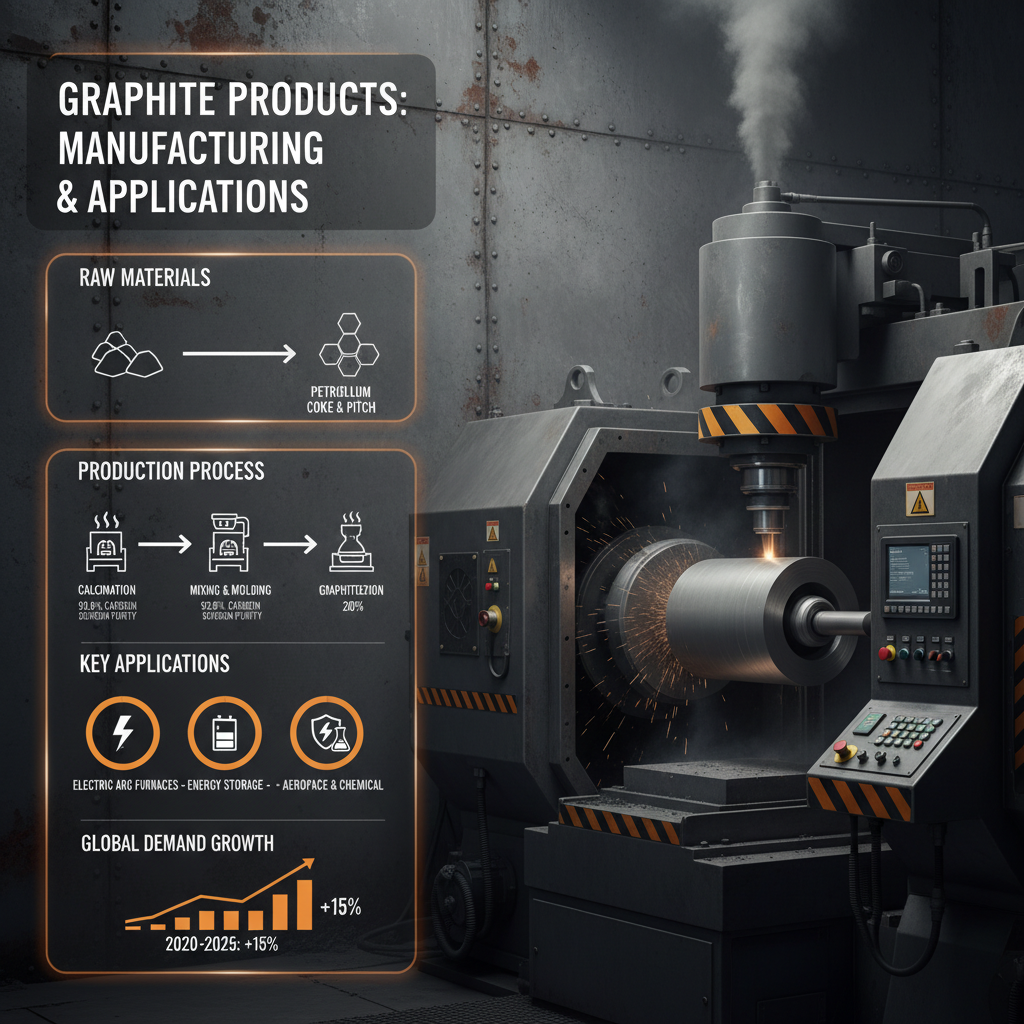
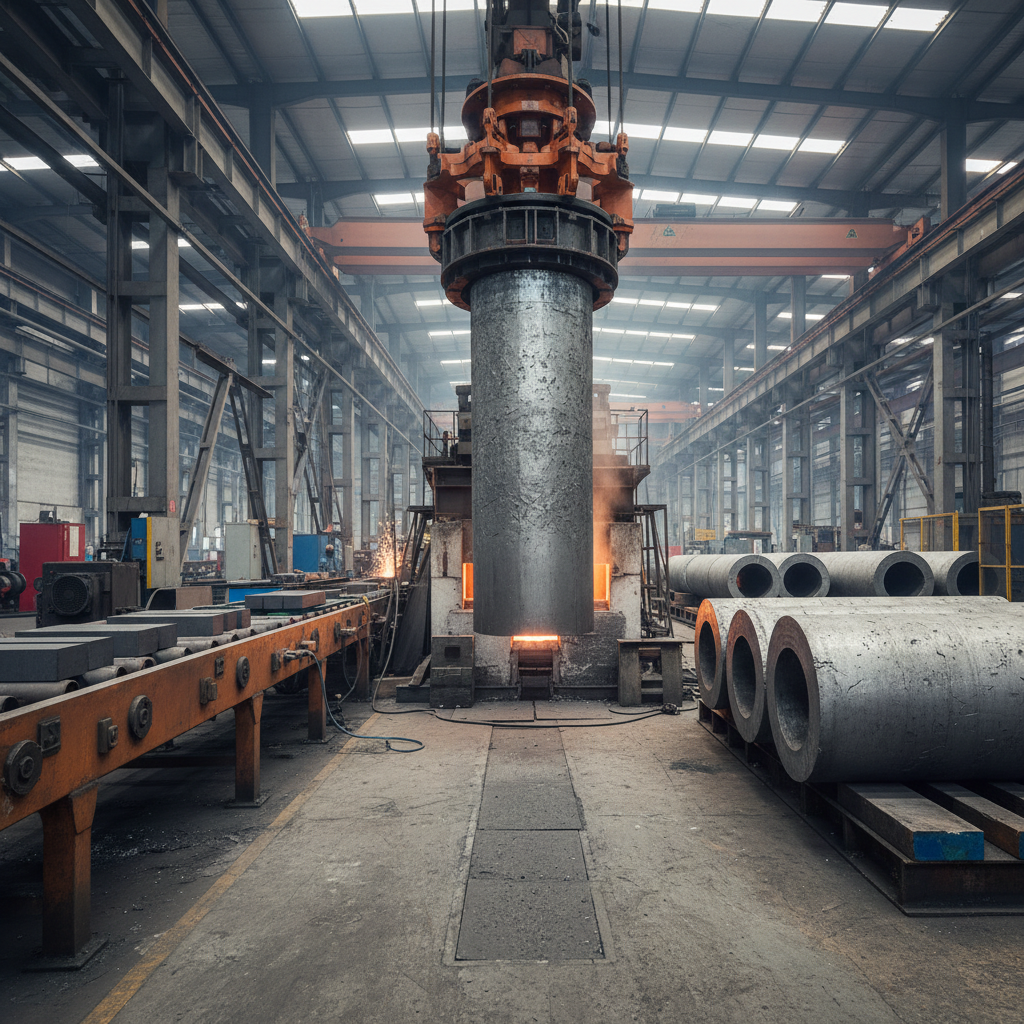
Graphite products encompass a wide range of materials derived from natural or synthetic graphite, tailored to meet specific industrial requirements. These products include graphite electrodes for electric arc furnaces, graphite crucibles for melting metals, graphite lubricants for high-temperature applications, and graphite components for lithium-ion batteries. The manufacturing processes involved range from simple purification techniques to complex chemical vapor deposition methods.
The history of graphite product utilization dates back centuries, initially recognized for its ability to write and lubricate. However, with the advent of modern technology, its applications have dramatically expanded, particularly with the rise of the electrical and energy storage industries. graphite products are now critical elements in diverse sectors, making their continued development and innovation paramount for technological advancement.
The Versatility of Graphite Product Forms
Graphite doesn’t exist as a single, uniform material. It's found in various forms, each exhibiting unique characteristics suitable for different applications. Natural graphite, mined from geological deposits, is typically categorized as flake, vein, or amorphous graphite. Flake graphite is the most common type, used extensively in lubricants and as a component in brake linings. Vein graphite often boasts higher purity and is utilized in specialized applications like pencil leads.
Synthetic graphite, produced through the high-temperature treatment of carbonaceous materials, offers even greater control over its properties, including particle size, purity, and crystallinity. This makes it particularly valuable in the production of lithium-ion battery anodes. Expanded graphite, created by intercalating acids into graphite layers, is used in fire retardants and thermal insulation. The choice of graphite form is dictated by the desired performance characteristics and the specific requirements of the final application.
Furthermore, graphite products can be processed into a plethora of shapes and sizes, from fine powders to large, machined components. This versatility stems from graphite's inherent ability to be molded, extruded, and compacted, allowing for customization to meet complex engineering designs.
Key Properties Defining Graphite Product Performance
Several key properties define the exceptional performance of graphite products. High electrical conductivity allows graphite to efficiently transport electrons, making it essential in electrodes, conductive coatings, and electronic devices. Exceptional thermal conductivity facilitates heat dissipation, critical in high-temperature applications such as furnace linings and heat sinks.
Furthermore, graphite’s inherent chemical inertness ensures stability in harsh environments, preventing corrosion and degradation. Its lubricity, arising from the layered structure, minimizes friction and wear, making it an ideal lubricant for demanding machinery. These combined properties contribute to the widespread adoption of graphite products across numerous industries.
Finally, graphite exhibits excellent thermal shock resistance, meaning it can withstand rapid temperature changes without cracking or fracturing. This characteristic is invaluable in applications involving cyclical heating and cooling, such as in metallurgical processes and thermal management systems.
Durability and Longevity of Graphite Products
The durability of graphite products is a critical factor in determining their long-term value and cost-effectiveness. Graphite’s inherent stability and resistance to chemical attack contribute to its impressive lifespan, even in harsh operating conditions. However, the specific durability varies significantly depending on the graphite grade, manufacturing process, and the application environment.
For instance, high-purity synthetic graphite, commonly used in battery anodes, exhibits excellent cycle life, maintaining its performance characteristics through numerous charge-discharge cycles. Conversely, lower-grade graphite products used in less demanding applications may experience gradual degradation over time. Proper selection of the appropriate graphite product for a given application is crucial for maximizing durability and minimizing replacement costs.
Durability Comparison of Different Graphite Products
Global Applications of Graphite Products
The applications of graphite products span a remarkably diverse range of industries worldwide. In the energy sector, graphite is crucial for producing lithium-ion battery anodes, essential components of electric vehicles and energy storage systems, particularly in regions like China, Japan, and Europe, where EV adoption is rapidly increasing. The automotive industry utilizes graphite in brake linings, clutches, and seals.
The metallurgical industry relies heavily on graphite for electrodes in electric arc furnaces, used to produce steel, and for crucibles to melt and cast metals. Aerospace applications benefit from graphite’s high strength-to-weight ratio and thermal stability, utilizing it in rocket nozzles, heat shields, and structural components. In the electronics industry, graphite finds use in conductive coatings, electrodes for EDM machining, and as a component in semiconductors.
Advantages and Sustainability of Graphite Products
The advantages of utilizing graphite products extend beyond their exceptional material properties. Graphite offers a compelling cost-benefit ratio, particularly when considering its durability and longevity, reducing the need for frequent replacements. It is also a relatively abundant natural resource, although responsible sourcing and supply chain management are crucial for sustainability.
Crucially, graphite plays a vital role in enabling green technologies, most notably in the burgeoning electric vehicle and renewable energy storage sectors. By facilitating the transition to cleaner energy sources, graphite contributes to reducing carbon emissions and mitigating climate change. Its high thermal stability and chemical inertness further contribute to its sustainability, minimizing environmental impact.
The adoption of graphite products also fosters innovation, leading to the development of more efficient and sustainable industrial processes. The lightweight nature of graphite reduces energy consumption in transportation applications, and its lubricity minimizes friction, improving machinery efficiency.
Future Trends in Graphite Product Development
The future of graphite product development is focused on enhancing performance characteristics, expanding applications, and improving sustainability. Research and development efforts are concentrated on creating advanced graphite materials with higher purity, improved conductivity, and enhanced mechanical strength. Nanotechnology is playing a crucial role, enabling the creation of graphene-based materials with exceptional properties.
Furthermore, advancements in recycling technologies aim to recover graphite from end-of-life batteries and other sources, reducing reliance on virgin materials and minimizing environmental impact. The integration of artificial intelligence (AI) and machine learning (ML) is streamlining manufacturing processes, optimizing material properties, and predicting product performance. graphite products are at the forefront of material science innovation.
The increasing demand for high-performance batteries and energy storage solutions will continue to drive innovation in graphite materials, leading to the development of next-generation anode materials with improved energy density, charging rates, and cycle life.
Summary of Future Trends in Graphite Product Development
| Trend Category |
Key Focus Areas |
Potential Impact |
Timeline (Years) |
| Material Enhancement |
Increased Purity, Conductivity |
Higher Battery Performance |
2-5 |
| Nanotechnology Integration |
Graphene-Based Materials |
Exceptional Material Properties |
5-10 |
| Recycling Technologies |
Battery Graphite Recovery |
Reduced Material Dependency |
3-7 |
| AI/ML Integration |
Process Optimization |
Improved Efficiency & Quality |
1-3 |
| Surface Modification |
Coating with Conductive Polymers |
Enhanced Electrode Performance |
2-5 |
| Composite Materials |
Graphite with Polymers/Metals |
Tailored Mechanical Properties |
3-6 |
FAQS
Synthetic graphite generally offers higher purity, more consistent particle size distribution, and greater control over its structural properties compared to natural graphite. This translates to improved battery performance, including higher energy density, longer cycle life, and faster charging rates. While natural graphite is often more cost-effective, synthetic graphite is preferred in applications demanding peak performance and reliability.
Concerns regarding the environmental and social impacts of graphite mining are driving initiatives focused on responsible sourcing. These include implementing robust traceability systems, promoting ethical mining practices, and minimizing environmental damage during extraction. Additionally, increasing investments are being directed towards developing graphite recycling technologies to reduce reliance on virgin materials and create a circular economy.
Graphene, a single-layer sheet of carbon atoms derived from graphite, possesses exceptional properties like high strength, conductivity, and flexibility. It’s being integrated into various graphite products to enhance their performance. For instance, adding graphene to composite materials improves mechanical strength and conductivity. Graphene also shows promise in creating next-generation battery anodes with significantly higher energy density.
Graphite’s exceptional thermal conductivity allows it to efficiently dissipate heat, making it ideal for applications involving high temperatures or heat generation. In electric arc furnaces, graphite electrodes manage immense heat loads, while in electronics, graphite heat sinks prevent overheating of components. This thermal management capability enhances reliability, extends equipment lifespan, and improves overall efficiency.
While graphite recycling holds immense potential, several challenges hinder its widespread adoption. Separating graphite from other battery components is complex and energy-intensive. The purity of recycled graphite can also be lower than that of virgin materials, potentially impacting performance. Further research and development are needed to optimize recycling processes and develop cost-effective methods for purifying recovered graphite.
Graphite is showing promise as a material for bipolar plates in hydrogen fuel cells, due to its good electrical conductivity and corrosion resistance. However, challenges remain regarding its permeability to hydrogen gas and its mechanical strength. Ongoing research focuses on modifying graphite materials and coatings to improve their performance and durability in fuel cell applications, potentially accelerating the adoption of hydrogen energy.
Conclusion
In conclusion, graphite products represent a cornerstone of modern industry, driving innovation across a multitude of sectors, from energy storage and automotive to aerospace and electronics. Their unique combination of properties – conductivity, thermal stability, lubricity, and chemical inertness – makes them indispensable for diverse applications. Understanding the nuances of graphite’s various forms and the evolving landscape of its production and recycling is vital for sustainable growth.
Looking ahead, continued investment in research and development will unlock even greater potential for graphite, particularly in emerging technologies like graphene-based materials and advanced battery systems. By prioritizing responsible sourcing, promoting circular economy principles, and fostering collaboration across the value chain, we can ensure that graphite continues to play a critical role in shaping a more sustainable and technologically advanced future. Explore our range of high-quality graphite products today!